









AI training
Solution
Improve training efficiency and optimize algorithms. Implement unified management and scheduling for a series of scientific research tasks, including data processing, algorithm design, model training, model validation, and model deployment


Pain points in scenarios
The threshold for data collation is high
During the AI training process, enterprises face numerous challenges. Firstly, data management is complex, with massive training data coming from diverse sources and in various formats. Data cleaning and annotation are time-consuming and laborious, and the quality of data varies greatly, directly affecting the training effectiveness of the model.

Limited computing resources
Due to limited computing resources and high costs, traditional hardware architectures struggle to meet the demands of large-scale parallel computing, leading to long training cycles, low R&D efficiency, and missed market opportunities.
Model optimization is difficult
Model optimization is challenging, with hyperparameter tuning relying heavily on human experience and lacking automated tools. This makes it difficult to find the optimal model configuration. Furthermore, the poor interpretability of the model makes it hard to meet the transparency requirements for model decision-making in certain industries.
Management and maintenance are complex
The deployment and maintenance of training environments are cumbersome, with significant differences across different project environments and complex dependency management, which can easily lead to compatibility issues and increase operational and maintenance costs.
Technical Solution
Build a unified data management platform that supports the integration of multiple data sources and automatically performs data cleaning, annotation, and enhancement. Utilize data quality assessment algorithms to filter high-quality data and improve the reliability of training data. Simultaneously, adopt distributed storage technology to ensure efficient storage and rapid retrieval of data.
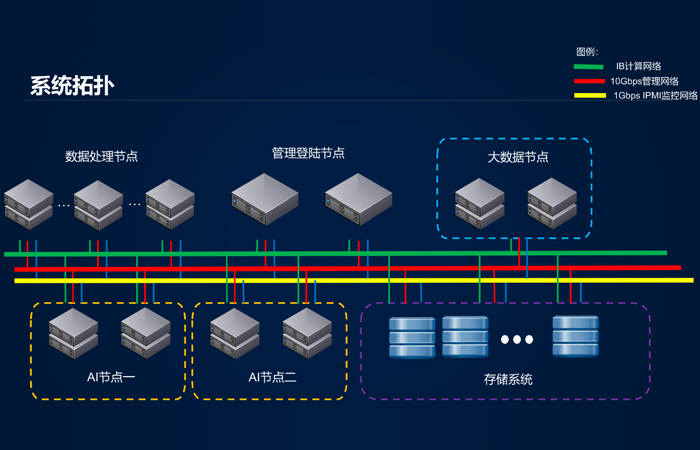
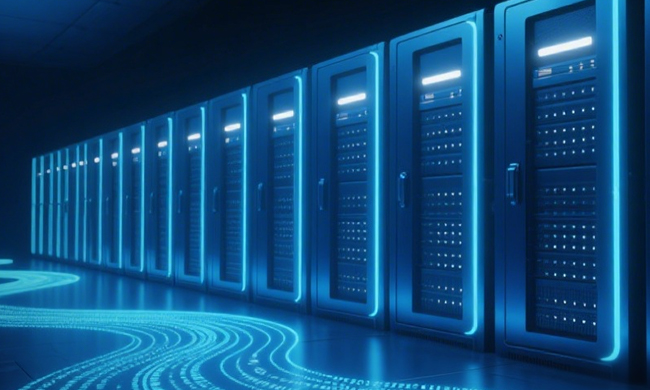
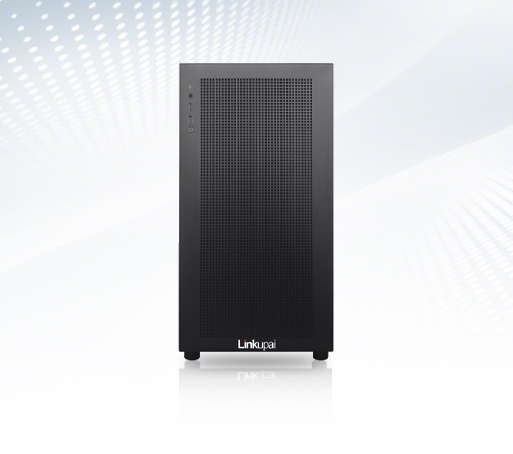
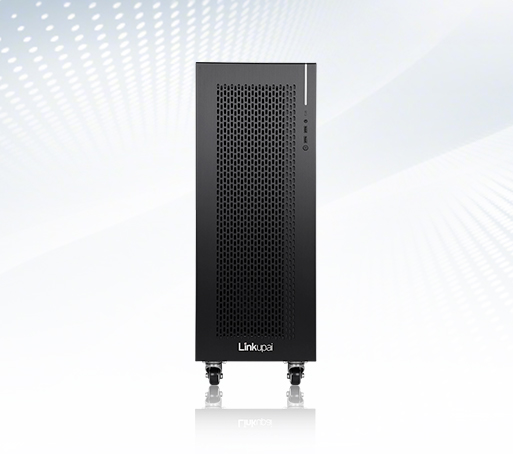
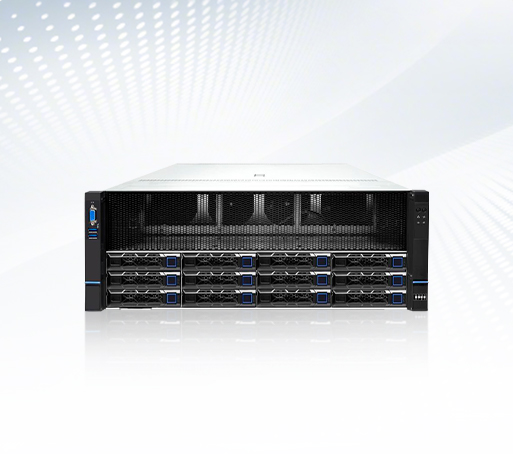
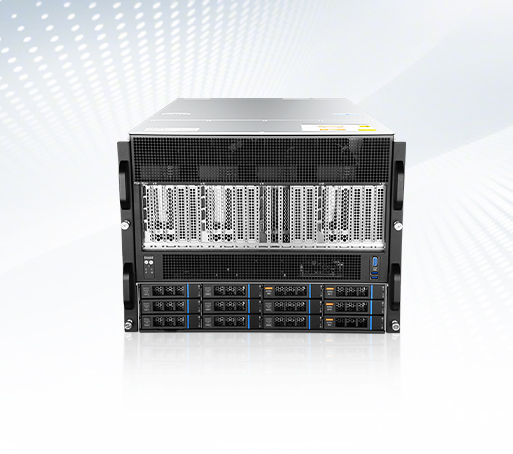
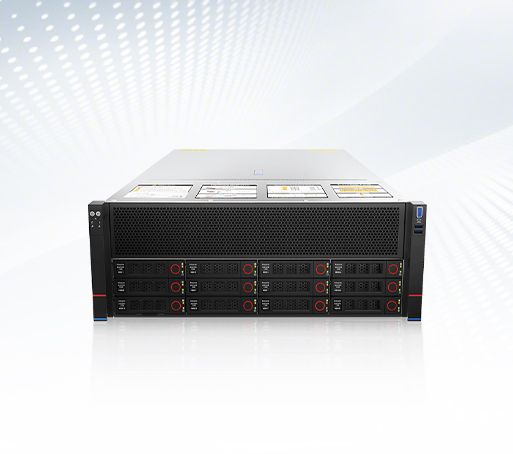
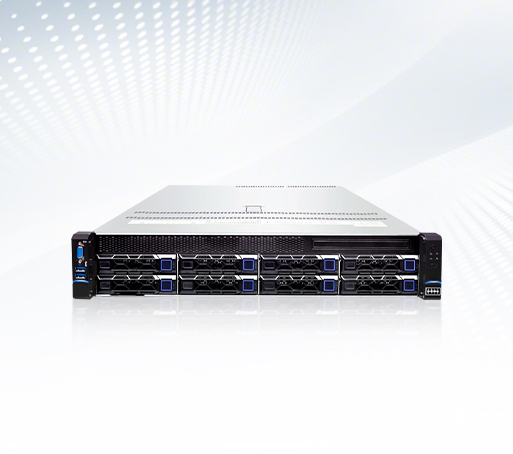
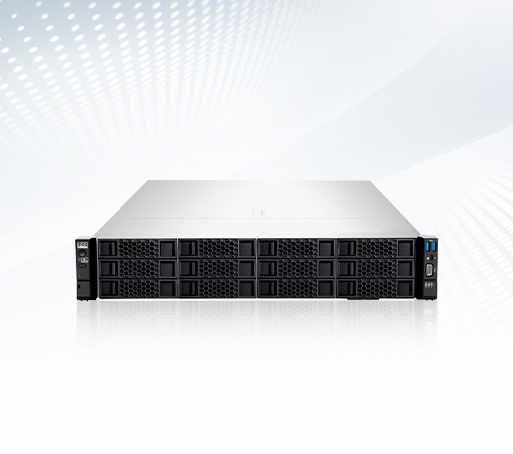
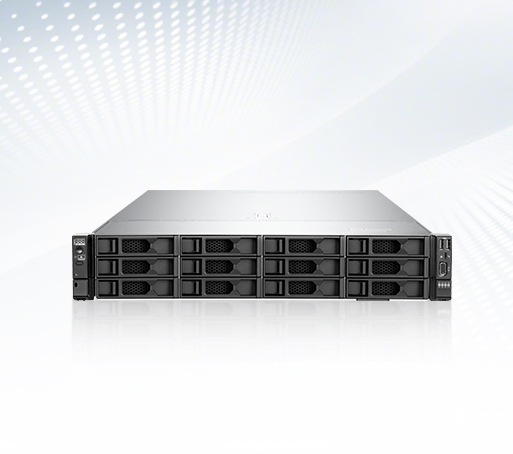
The solution primarily comprises AI servers, CPU servers, and storage systems, which are paired with an AI development platform for building a computing power cluster
Application scenarios
The solution provides basic computing power and software platform support for various model training and development, encompassing full-stack computing power and software platform support from data collection, data annotation, data management, model training, to inference.
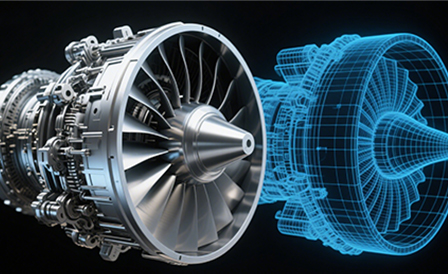
Image recognition

Natural Language Processing

Medical image analysis

Contract review

Advantages and value of the scheme

Improve training efficiency
Through high-performance computing clusters and automation tools, we can significantly reduce model training time, accelerate product development cycles, and enable enterprises to respond to market demands more quickly.
Reduce costs
Optimize the allocation of computing resources, improve resource utilization, and reduce hardware procurement and operation and maintenance costs. At the same time, automated data management and model optimization reduce manual input, further lowering research and development costs.
Improve model quality
High-quality training data and automated model optimization tools aid in identifying optimal model configurations, thereby enhancing the model's accuracy and generalization ability. The application of model interpretability algorithms bolsters the credibility of the model and meets industry regulatory requirements.
Simplify environmental management
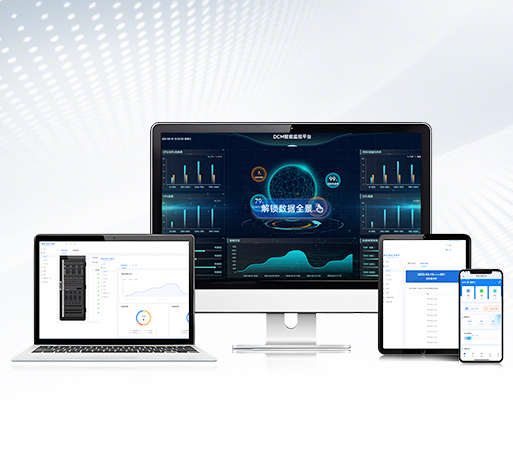
The containerized training environment achieves standardization and automated management of the environment, reduces the difficulty of environment deployment and maintenance, and improves development efficiency.