












Empowering tertiary hospitals to break through the bottleneck of medical imaging analysis and usher in a new era of precision diagnosis and treatment!
Xuzhou Medical University Affiliated Hospital was founded in 1897 and is a provincial-level Grade III Grade A comprehensive hospital. It integrates medical treatment, teaching, scientific research, and emergency care, and undertakes the important task of regional medical technology guidance. The hospital has long been committed to improving diagnosis and treatment efficiency through technological innovation, especially in the fields of medical imaging analysis and AI assisted diagnosis, which are at the forefront of the industry.
<50db
Workstation full load noise as low as 50 decibels or less
Processing speed
4 * NVIDIA A100 GPU cluster achieves doubled efficiency in image analysis
Diagnostic efficacy
Deep learning models can increase inference speed by 5 times and reduce single case diagnosis time by 60%


Project Background
Xuzhou Medical University Affiliated Hospital was founded in 1897 and is a provincial-level Grade III Grade A comprehensive hospital. It integrates medical treatment, teaching, scientific research, and emergency care, and undertakes the important task of regional medical technology guidance. The hospital has long been committed to improving diagnosis and treatment efficiency through technological innovation, especially in the fields of medical imaging analysis and AI assisted diagnosis, which are at the forefront of the industry.
Challenge pain points
Lack of computing power resources
Traditional hardware cannot support real-time processing of high-resolution medical images (such as CT and MRI), and TB level data training and inference delays severely restrict diagnostic efficiency.

Difficulties in multimodal data fusion
The demand for cross modal joint analysis of imaging, pathology, and clinical data has surged, and existing systems lack parallel computing capabilities, limiting model generalization performance.
Insufficient environmental adaptability
In high load scenarios, it is necessary to balance equipment cooling and noise requirements to ensure that the medical office environment is not disturbed
Solution
Supercomputing GPU Workstation Cluster
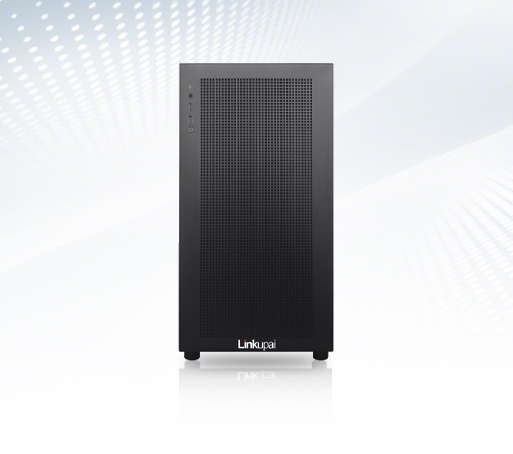
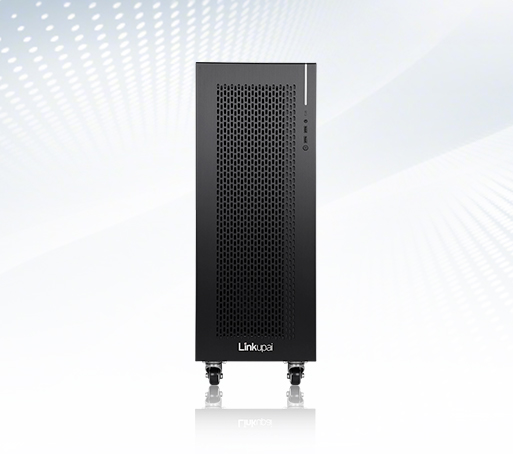
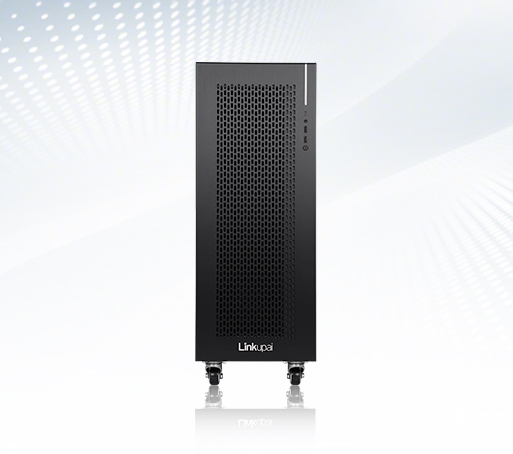
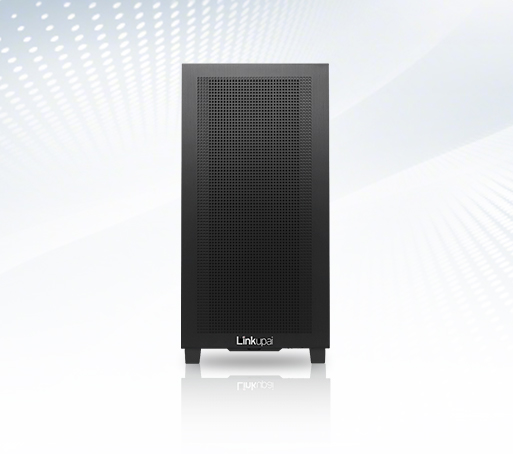
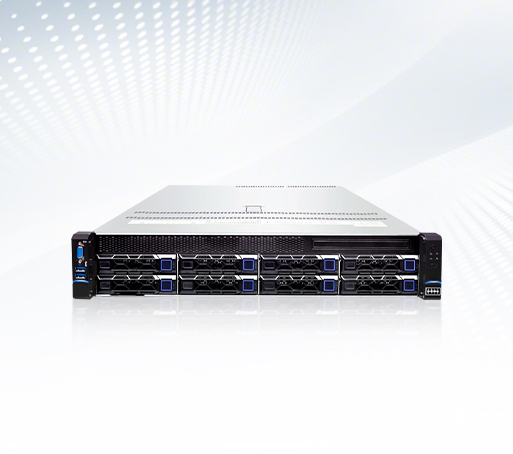
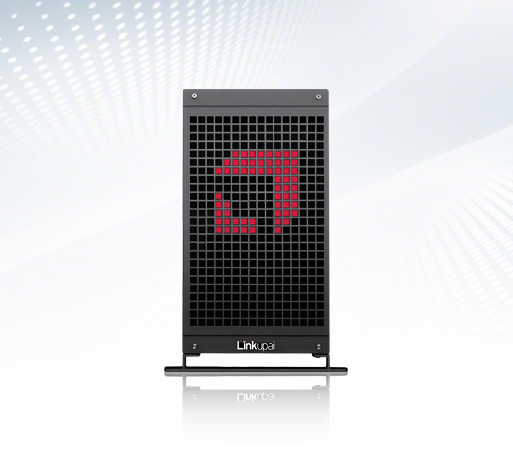
Deploy the Linkupai HW7340 high-performance workstation, equipped with 4 NVIDIA A100 graphics cards (80GB of video memory/card), providing over 2PFLOPS hybrid computing power and supporting second level reconstruction of thousand level sliced images
Whole process AI optimization architecture
Deeply adapted to PyTorch and TensorFlow frameworks, achieving parallel processing of multimodal data and improving model training efficiency by 300%.
Intelligent liquid cooling silent design
Adopting a closed-loop liquid cooling heat dissipation solution, supporting 1200W TDP heat dissipation capacity, with a full load noise of ≤ 50 decibels, ensuring stable operation for 7 * 24 hours.
Project Benefits
The speed of medical imaging analysis has been increased by 5 times, the diagnosis time for a single case has been compressed from 30 minutes to 12 minutes, and the daily processing capacity has been increased by 150%; The accuracy of the multimodal joint model has exceeded 97%, the detection rate of lung nodules and tumor lesions has increased by 40%, and the misdiagnosis rate has decreased by 25%; The energy consumption of the liquid cooling system has been reduced by 35%, the equipment is compatible with the existing information environment of the hospital, and the operation and maintenance costs have been reduced by 20%; Assist hospitals in obtaining approval for two provincial-level research projects on AI assisted diagnosis, and promote the standardization of regional smart healthcare.
Customer reviews

The Linkupai Workstation provides high-performance computing power support for our image analysis, with a double leap in AI model training efficiency and diagnostic accuracy, truly unleashing the clinical decision-making potential of doctors! ”